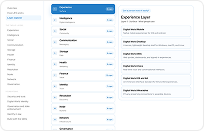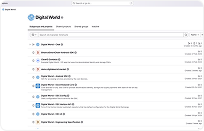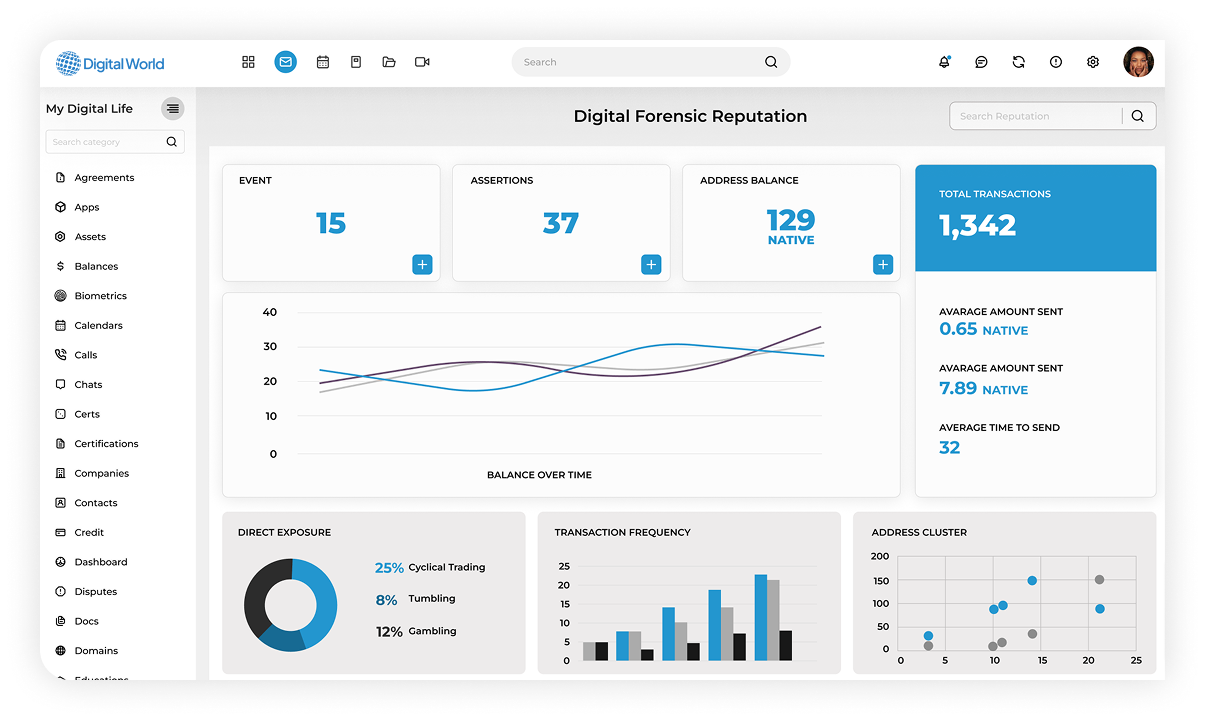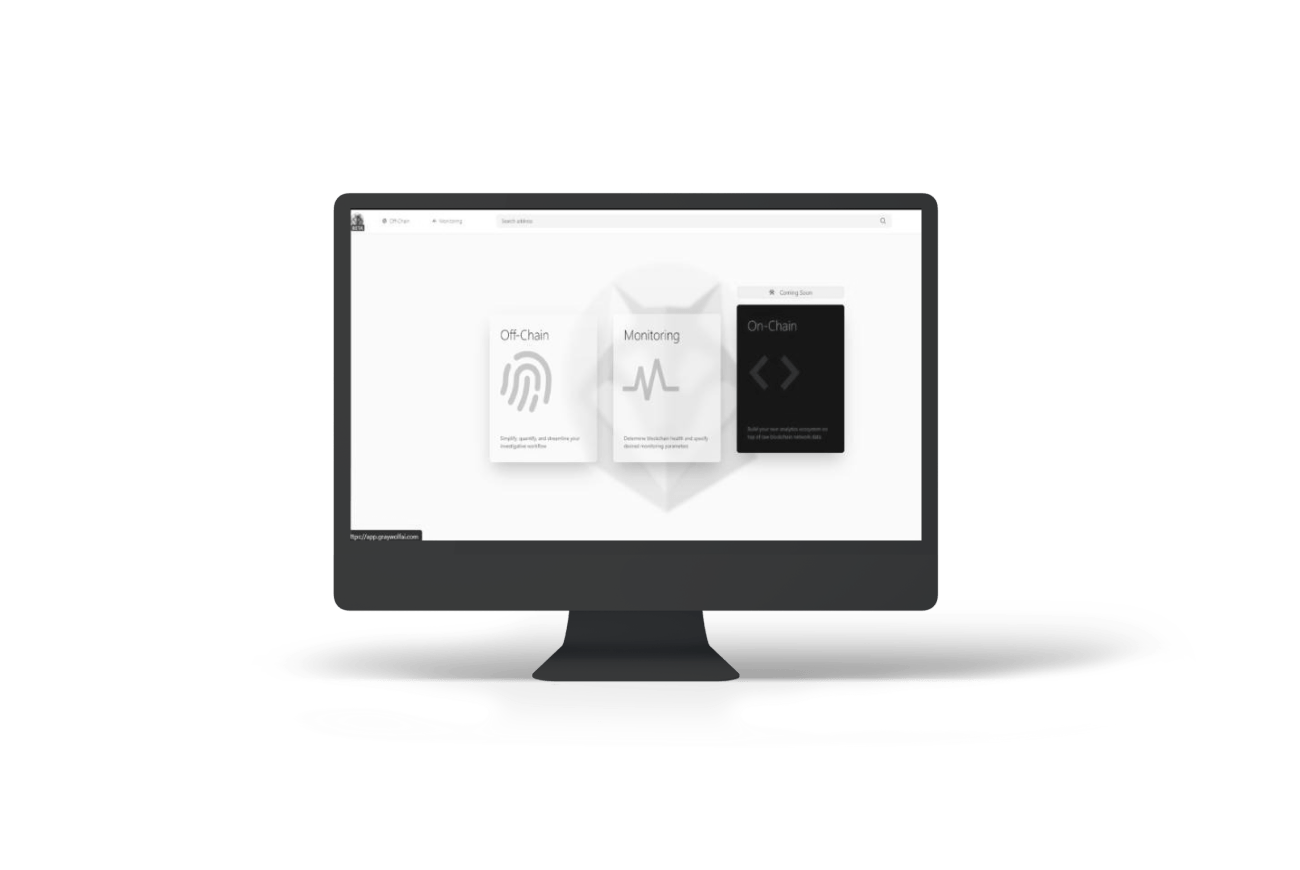
The Digital Forensics System supports Digital Reputations by combining quantitative and qualitative risk-assessment signals for Digital Individual Members, Digital Organizations such as Associations, Trusts and Companies, and their Digital Assets.
Real-time reputation scoring for every digital identity in the ecosystem.
Continuous risk monitoring for Associations, Trusts, and Companies.

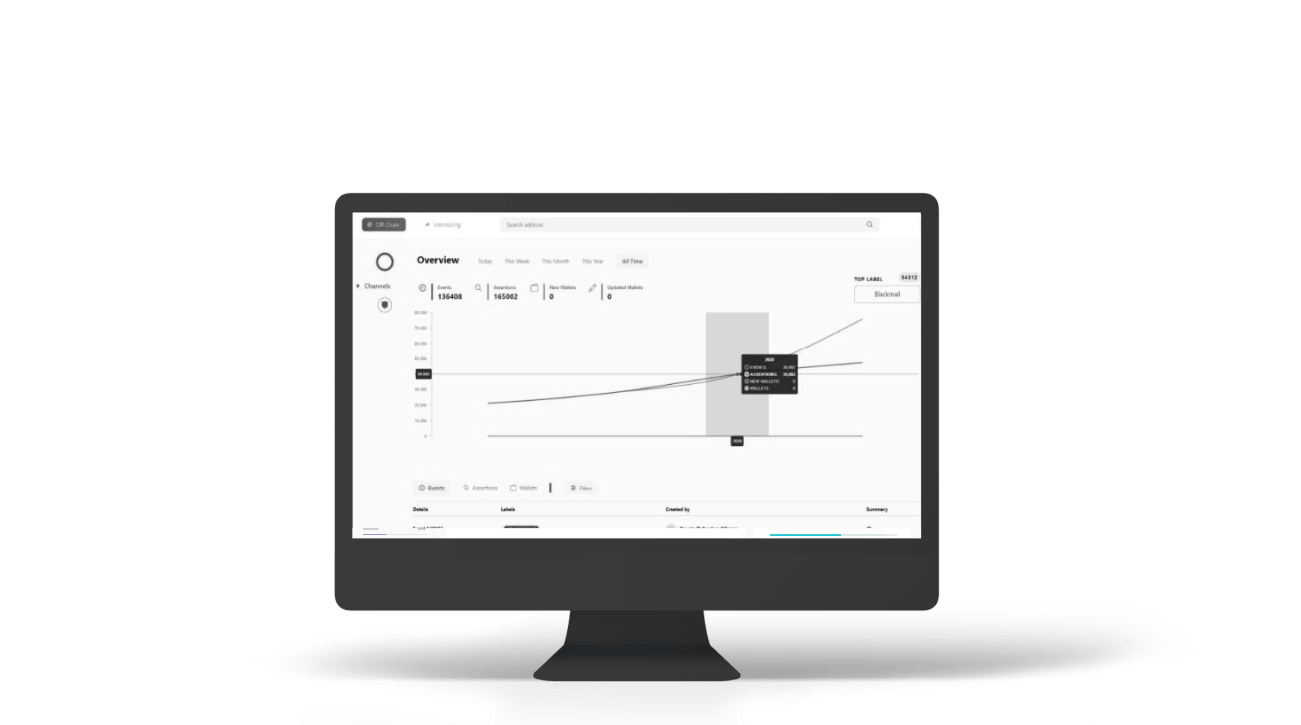
Aggregate, verify, and analyze transaction-related data that is not recorded on-chain, helping replace unstructured, manual report logging with a more consistent workflow.
Uses automated analytics tools to help review large volumes of on-chain transaction data across otherwise opaque transactional channels, supporting risk review for Individual, Organization, and Digital Asset forensics use cases.
Designed to help flag patterns consistent with market manipulation and other potentially fraudulent activity across cryptocurrency networks - including the Digital World network and others such as Ripple - to support faster review. These tools assist in identifying risk indicators; they do not guarantee prevention of fraud or financial loss.
Disclaimer: The Digital Forensics System provides risk-scoring and analytics tools within the Digital World ecosystem. It is not a substitute for licensed forensic examiners, law enforcement investigations, or court proceedings, and its outputs are risk indicators rather than legal findings of fraud or wrongdoing.
No. It provides risk-assessment and analytics tools for Digital Members, Organizations, and Assets. It does not replace licensed forensic examiners, law enforcement investigations, or court proceedings.
Off-Chain analytics reviews transaction-related data that is not recorded on a blockchain, while On-Chain analytics reviews data recorded directly on blockchain networks. Both are used to support risk review.
No. These tools are designed to help flag patterns that may be consistent with market manipulation or fraudulent activity. They support faster review but do not guarantee prevention of fraud or financial loss.
Digital Individual Members, Digital Organizations such as Associations, Trusts, and Companies, and their associated Digital Assets can be assessed for reputation and risk purposes.
No. A risk score reflects analytics-based indicators at a point in time. It is not a legal determination of wrongdoing and should not be treated as one.